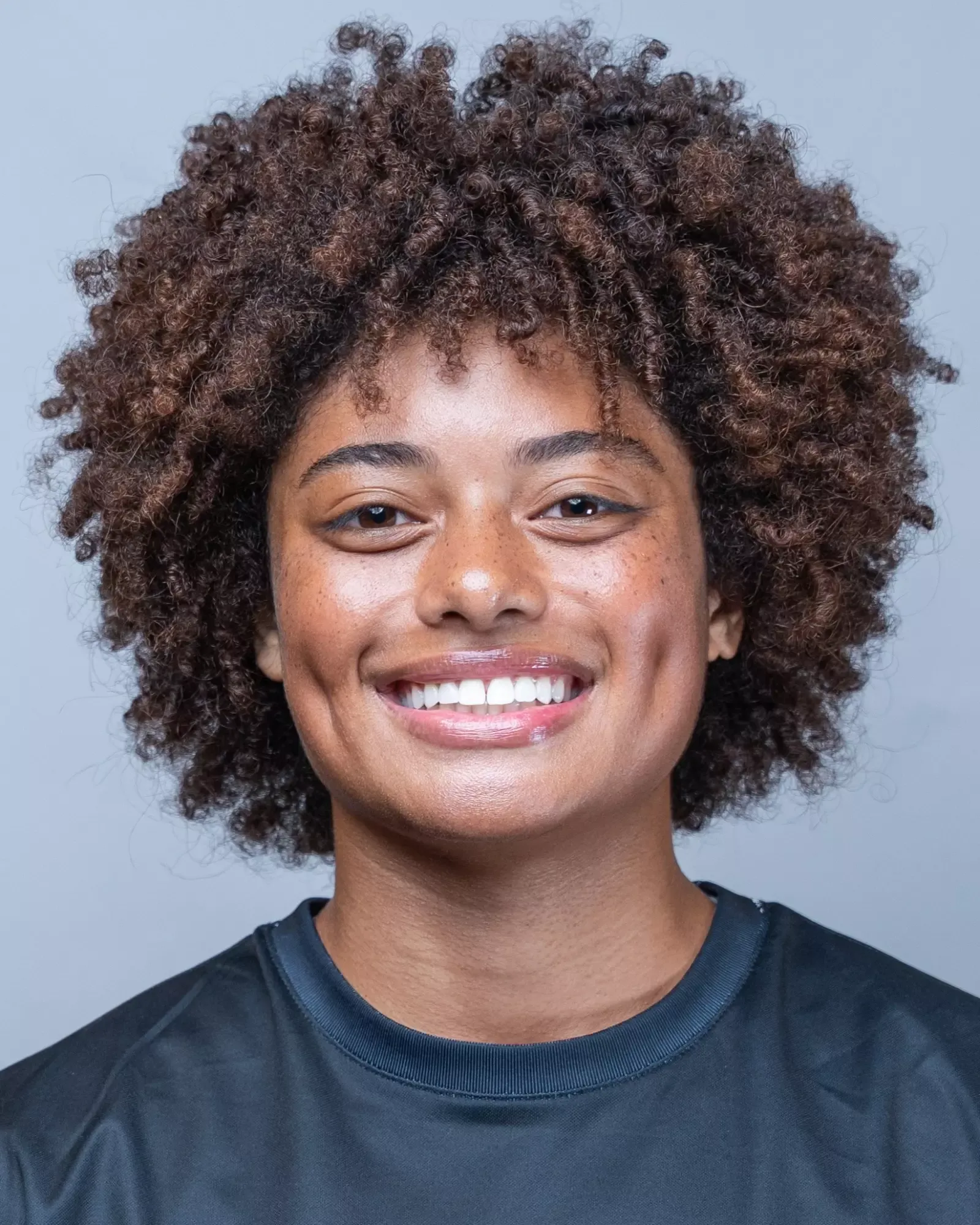
Cornell Big Red soccer is a Division I program in the Ivy League. Cornell soccer has competed across the Ivy League championship contention through multiple eras at the Division I level. Cornell is in the heart of the current schedule, posting a 4-5 record across 11 games. Cornell fields a 31-athlete roster this season, with 0 verified on RallyFuel. The class distribution includes 7 freshmen, 8 sophomores, 7 juniors, and 9 seniors. The Big Red play home games on the Cornell campus. The Big Red most recently posted a loss (0-3) on October 10, 2026 at Rocco B. Commisso Soccer Stadium. Their next game is scheduled for October 13, 2026 at Charles F. Berman Field. The Big Red are anchored in a long Cornell athletic tradition. When fans fuel a Big Red athlete on RallyFuel, 90% lands directly with the athlete — funding training, recovery, and the realities of college sports.
Cornell University is located in Ithaca, New York, and competes in the Ivy League conference, a league known for balancing elite academics with competitive athletics. As a member of the Ivy League, Cornell operates within one of the most academically rigorous environments in the NCAA Division I landscape. The university supports approximately 24,000 students across undergraduate, graduate, and professional programs, positioning it as a large research institution with a strong institutional brand. This academic prestige underpins the university’s athletic programs, offering a unique platform for student-athletes who prioritize both high-level competition and academic achievement.
Cornell’s athletic program, collectively known as the Big Red, competes in 37 varsity sports with a historical emphasis on men’s and women’s lacrosse, ice hockey, and rowing. The program benefits from a long-standing tradition of competitive success, particularly in men’s ice hockey, which has produced multiple NCAA tournament appearances and notable professional alumni. Key rivalries with Ivy League counterparts such as Harvard and Princeton enhance both competitive intensity and fan engagement, adding to the program’s visibility and recruitment appeal.
Cornell’s NIL marketability is supported by a robust donor ecosystem and one of the most engaged alumni networks in collegiate sports, creating significant recruiting leverage and student-athlete ROI. The university’s location in the economically vibrant Upstate New York region provides access to local corporate partnerships and media markets, enhancing brand visibility for its athletes. Key facilities such as Lynah Rink (ice hockey) and Schoellkopf Field (football and lacrosse) offer modern venues that support fan engagement and commercial events, further increasing media rights value and sponsorship opportunities. Collectively, these factors enable Cornell to strategically position its student-athletes for NIL success while maintaining a competitive edge in recruiting within the Ivy League and beyond.