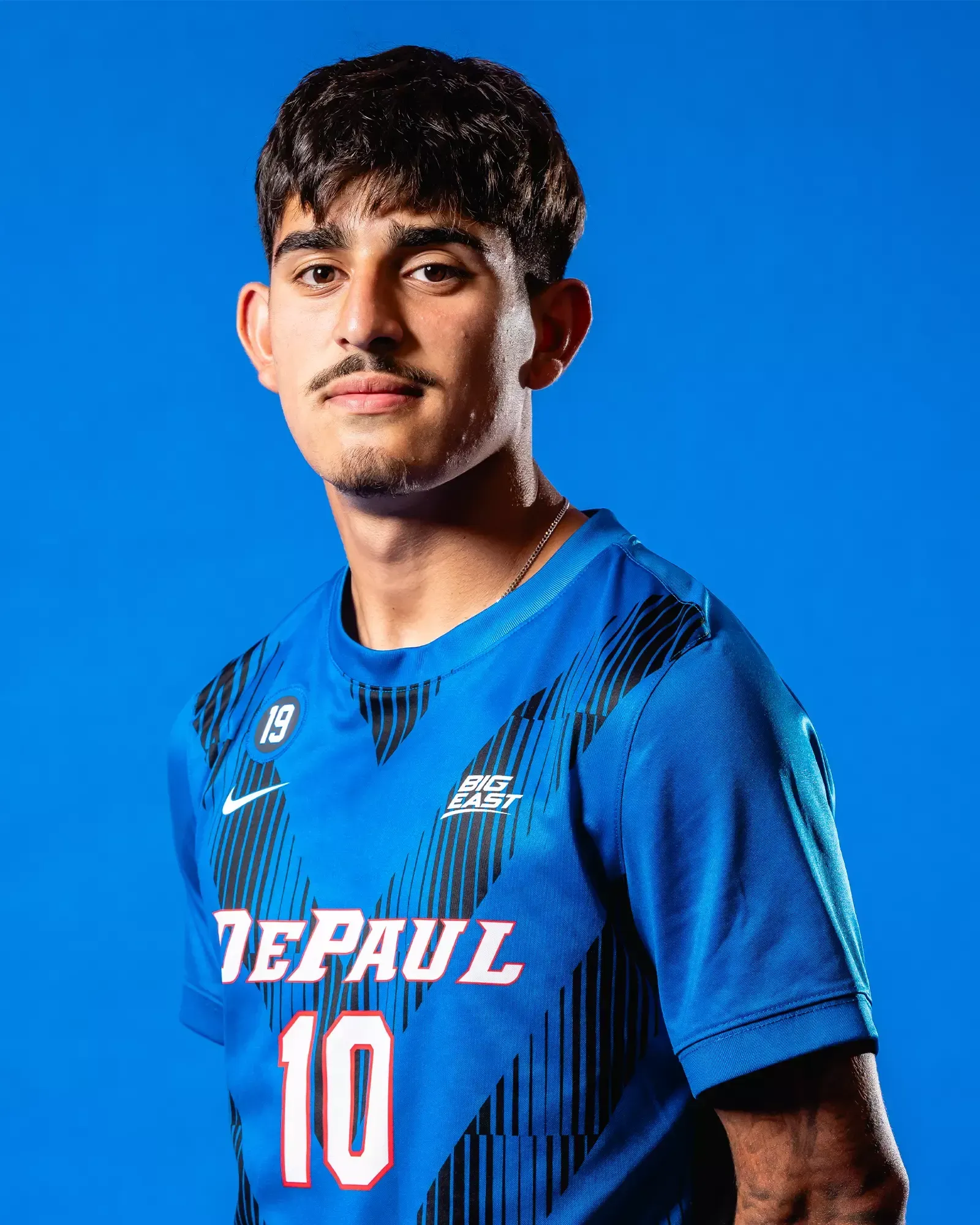
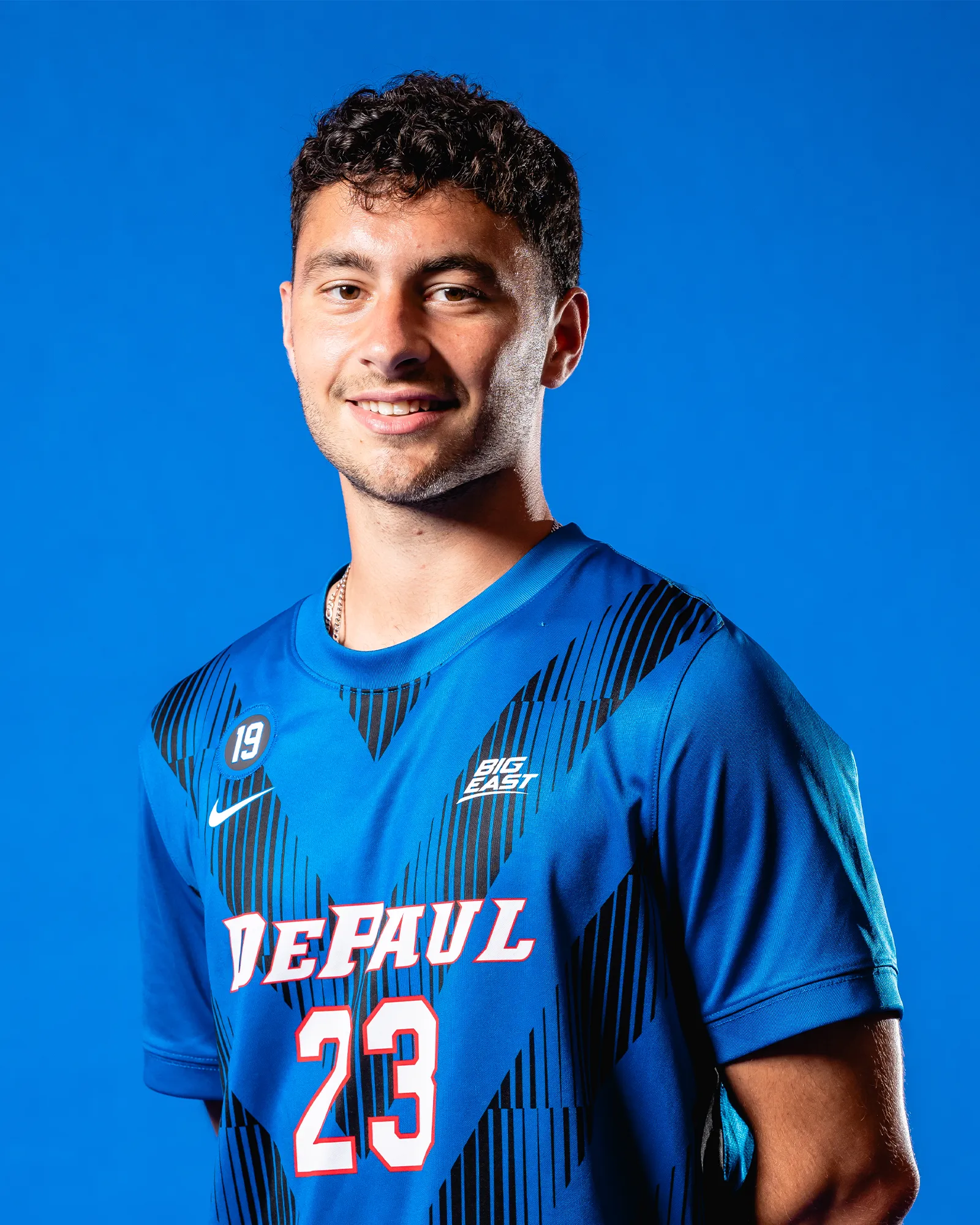
DePaul Blue Demons soccer is a Division I program in the Big East. DePaul soccer has competed across the Big East championship contention through multiple eras at the Division I level. DePaul is in the heart of the current schedule, posting a 2-3 record across 9 games. The statistical leaders for DePaul are Noeh Hernandez (5 goals), Daniel Hickiewicz (4 assists), and Chance Johnson (16 saves). The Blue Demons play home games on the DePaul campus. The Blue Demons most recently posted a loss (1-4) on October 6, 2026 at Dr. Mark and Cindy Lynn Stadium. Their next game is scheduled for October 10, 2026 at Joseph J. Morrone Stadium at Rizza Performance Center. The Blue Demons are anchored in a long DePaul athletic tradition. When fans fuel a Blue Demon athlete on RallyFuel, 90% lands directly with the athlete — funding training, recovery, and the realities of college sports.
DePaul University, located in Chicago, Illinois, competes in the Big East Conference and operates as the largest private university in Illinois. With a student population exceeding 21,000, DePaul offers a comprehensive range of undergraduate and graduate programs, emphasizing professional fields such as business, law, and computing. The institution's urban setting and academic reputation provide a solid foundation for its athletics programs, leveraging strong institutional resources and a broad alumni network to support competitive sports initiatives.
DePaul’s athletics program, known as the Blue Demons, centers primarily on men’s and women’s basketball, which have historically been the university’s flagship sports. The men’s basketball team, competing at the NCAA Division I level, has a storied history, including multiple NCAA tournament appearances and a national reputation during the late 20th century. Rivalries with conference opponents such as Marquette and Villanova contribute to the program’s regional prominence. Beyond basketball, DePaul maintains competitive programs in volleyball, soccer, and baseball, enhancing the overall athletic profile.
DePaul’s NIL strategy benefits from its location in a major metropolitan market, providing student-athletes significant brand visibility and endorsement potential. The university’s donor ecosystem is robust, supported by an engaged alumni base predominantly concentrated in Chicago’s business and professional sectors. This network enhances student-athlete ROI through sponsorships and local partnerships. DePaul’s home arena, Wintrust Arena, is a state-of-the-art facility that not only boosts recruiting leverage but also attracts media rights deals and fan engagement initiatives. The combination of urban market access, athletic infrastructure, and alumni support positions DePaul to effectively capitalize on the evolving NIL landscape and strengthen its long-term athletic program sustainability.