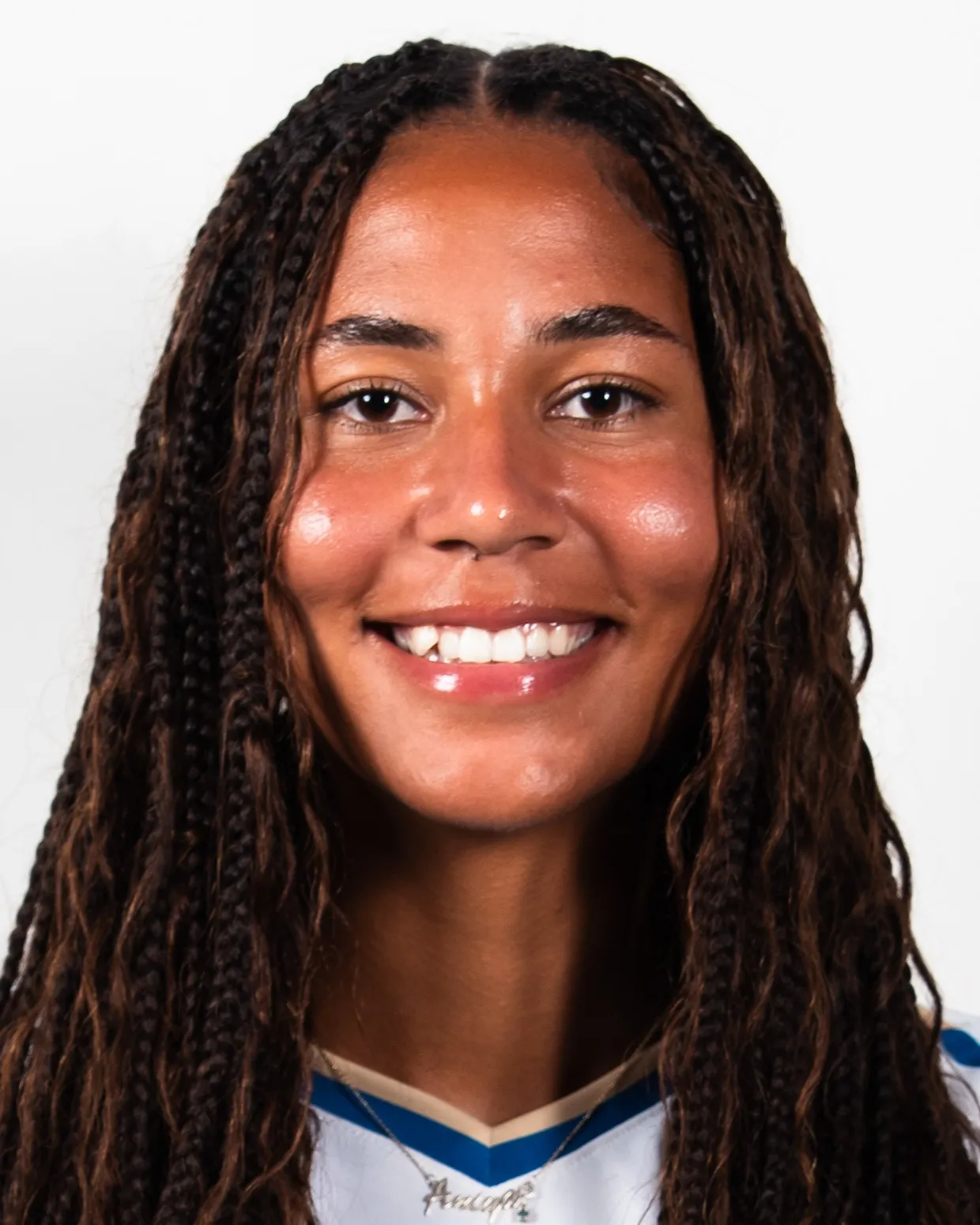
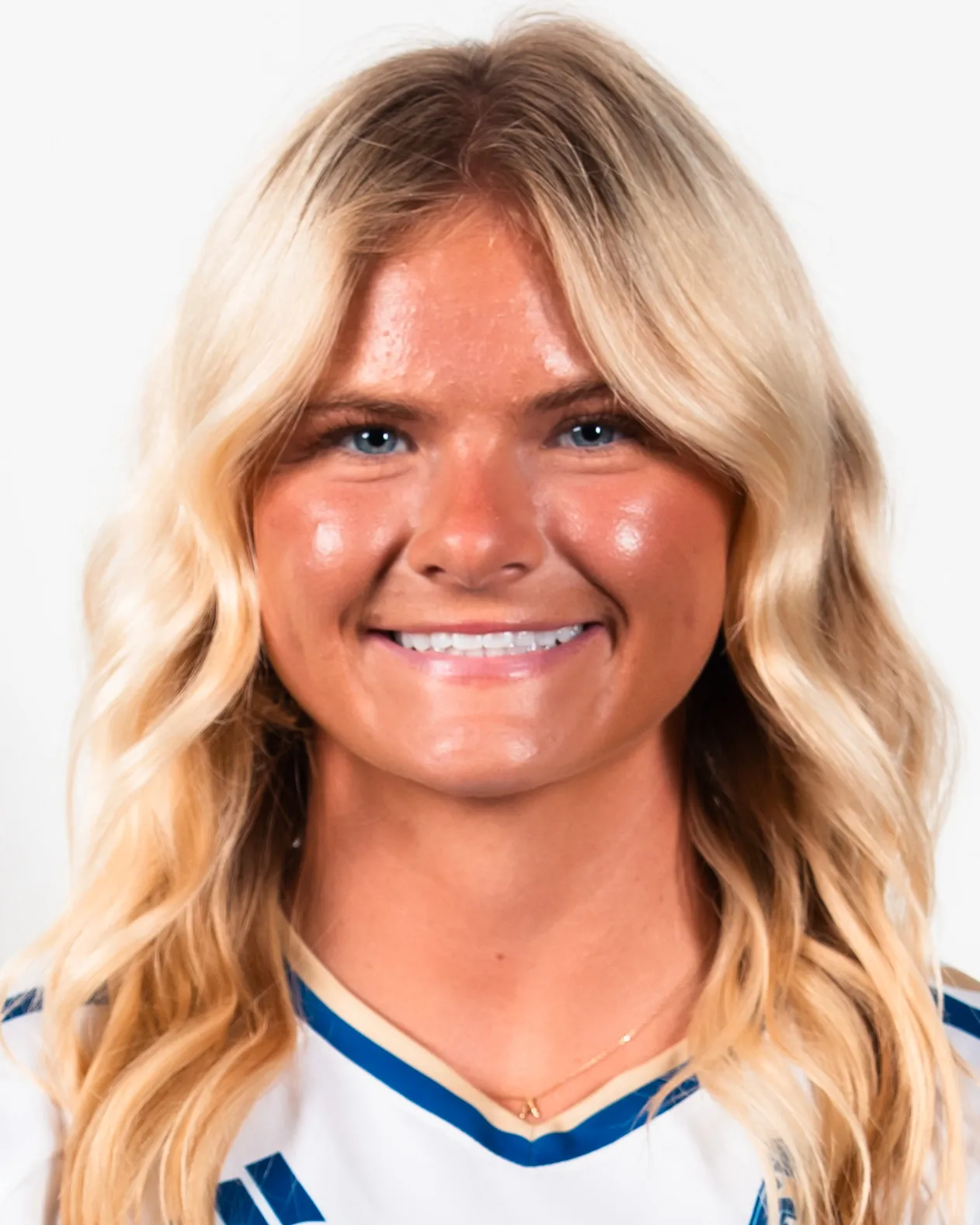
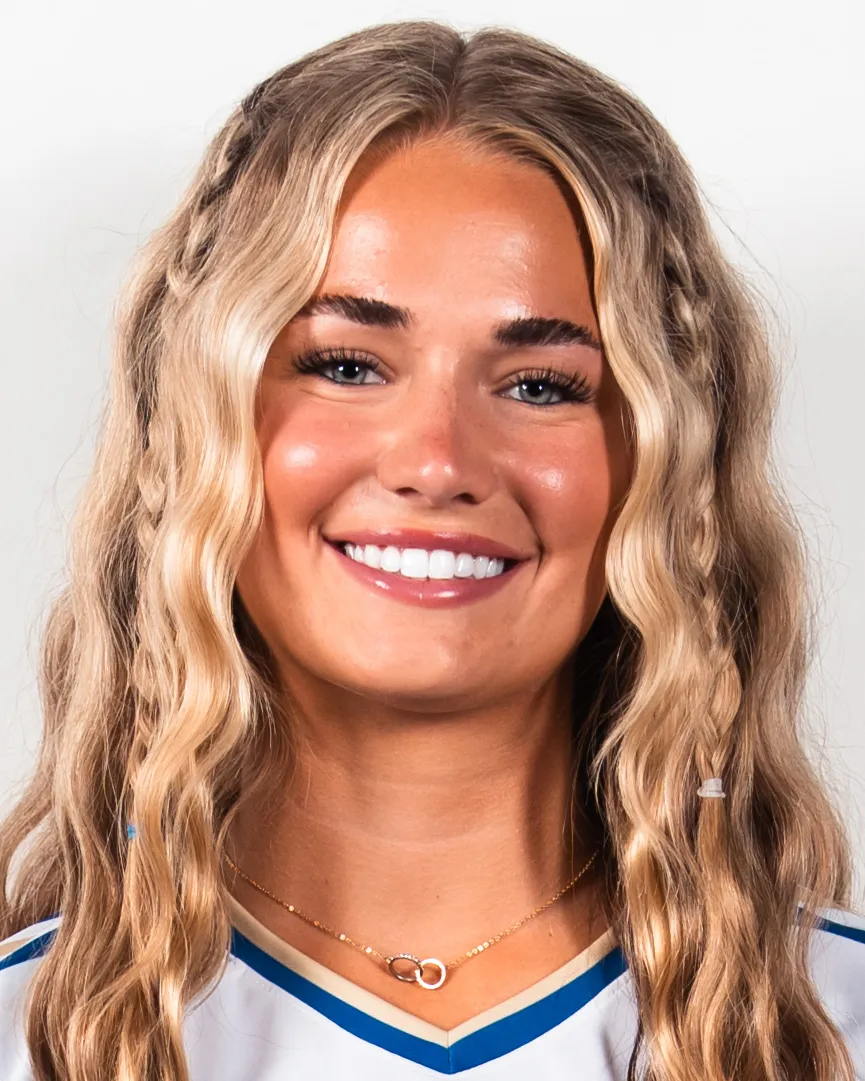
The Golden Hurricane represent Tulsa athletics in the American. Tulsa soccer has competed across the American championship contention through multiple eras at the Division I level. Across their last three games, the Golden Hurricane have gone 1-2, with a season record of 2-3 through 6 contests this season. In goal, Maddy Nigey paces the Golden Hurricane with 25 saves through 6 matches. Presley Boyd leads the attack with 5 goals. The Golden Hurricane play home games on the Tulsa campus. Recent results for Tulsa include a loss (0-3) and a loss (1-3). Next up: their next game on October 25, 2026. The Golden Hurricane are anchored in a long Tulsa athletic tradition. RallyFuel connects Golden Hurricane fans directly with the athletes who represent Tulsa. Ninety percent of every contribution goes to the athlete, and refund protection covers any deal where conditions aren't met.
The University of Tulsa is a private research institution located in Tulsa, Oklahoma, competing in the American Athletic Conference (AAC). Known for its strong academic programs in engineering, business, and law, Tulsa serves approximately 4,000 undergraduate and graduate students. Its moderate size and academic reputation provide a stable foundation for its athletic programs, balancing competitive sports with rigorous scholarship. The university’s urban location fosters engagement with a growing metropolitan market, enhancing both institutional visibility and recruitment potential.
The Golden Hurricane represent Tulsa across a range of NCAA Division I sports, with football, men’s basketball, and women’s soccer serving as flagship programs. Tulsa has cultivated a competitive presence within the AAC, underpinned by a history of conference championships and postseason appearances. The football program has produced several NFL players, contributing to its national profile, while men’s basketball has demonstrated consistent tournament participation and victories against key regional rivals such as SMU and Memphis. Rivalries enhance fan engagement and provide leverage in recruiting battles within the conference landscape.
Tulsa’s student-athlete ROI is strengthened by a robust donor ecosystem and an engaged alumni network concentrated regionally and nationally. The local economy, anchored in energy and aerospace sectors, provides diverse sponsorship and endorsement opportunities, enhancing NIL value for athletes. The on-campus Skelly Field at H.A. Chapman Stadium (30,000+ capacity) and the Henry J. Freede Wellness and Athletic Center serve as key assets, supporting media rights negotiations and fan experience improvements. This infrastructure, combined with strong brand visibility in a mid-sized media market, offers significant recruiting leverage. Strategic NIL initiatives aim to maximize athlete marketability while sustaining long-term program growth.