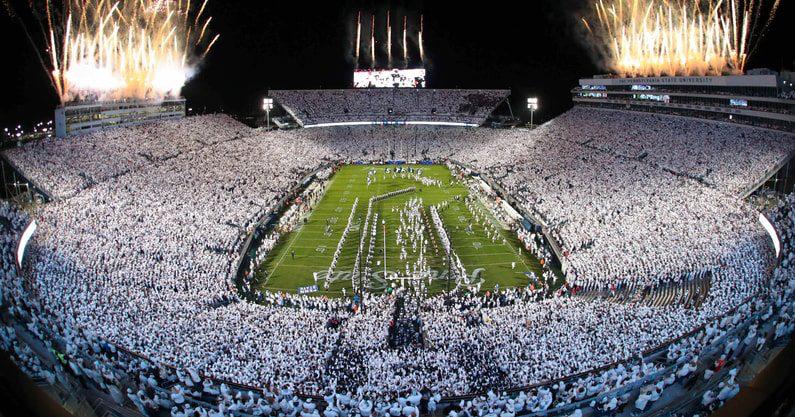


Where fans fuel champions.
Simple. Secure. Direct.
Loading...
Where fans fuel champions.
Simple. Secure. Direct.
18 Schools•Division I•Est. 1953


The ACC was founded on May 8, 1953, when seven schools left the Southern Conference and met at the Sedgefield Inn near Greensboro to draw up bylaws. Duke's Eddie Cameron proposed the name and the motion passed unanimously. Each school was assessed two hundred dollars to cover expenses. Virginia joined that December as the eighth member. The league now spans eighteen universities across twelve states, from Massachusetts to California, and sponsors 28 sports.
Basketball made the name. Everett Case at NC State and Frank McGuire at North Carolina built a rivalry that turned the region into the sport's capital, and the ACC Tournament, first played in 1954, remains the only conference tournament that alone decides its champion. North Carolina, Duke, NC State, Maryland and Virginia have all cut down nets as ACC members.
The trophy case runs far wider. ACC schools have claimed more than 200 NCAA team championships. North Carolina women's soccer has won 22 national titles, Virginia leads all programs in men's lacrosse and men's soccer, and Stanford holds more NCAA championships than any school in the country. Duke women's golf, Syracuse men's lacrosse, and Wake Forest field hockey have all built dynasties of their own.
The Olympic pipeline is extraordinary. ACC athletes have earned medal hauls that rival entire nations, competing across dozens of sports for more than fifty countries, with swimming, rowing, soccer and track leading the way.
Rivalries stretch coast to coast. North Carolina and Virginia play the South's Oldest Rivalry. Duke and North Carolina meet for the Victory Bell. Virginia and Virginia Tech contest the Commonwealth Cup, Florida State and Miami play for the Florida Cup, Clemson and NC State fight for the Textile Bowl, and California and Stanford brought the Big Game and the Stanford Axe, the oldest rivalry in the West.
Official Website
The ACC was founded on May 8, 1953, when seven schools left the Southern Conference and met at the Sedgefield Inn near Greensboro to draw up bylaws. Duke's Eddie Cameron proposed the name and the motion passed unanimously. Each school was assessed two hundred dollars to cover expenses. Virginia joined that December as the eighth member. The league now spans eighteen universities across twelve states, from Massachusetts to California, and sponsors 28 sports.
Basketball made the name. Everett Case at NC State and Frank McGuire at North Carolina built a rivalry that turned the region into the sport's capital, and the ACC Tournament, first played in 1954, remains the only conference tournament that alone decides its champion. North Carolina, Duke, NC State, Maryland and Virginia have all cut down nets as ACC members.
The trophy case runs far wider. ACC schools have claimed more than 200 NCAA team championships. North Carolina women's soccer has won 22 national titles, Virginia leads all programs in men's lacrosse and men's soccer, and Stanford holds more NCAA championships than any school in the country. Duke women's golf, Syracuse men's lacrosse, and Wake Forest field hockey have all built dynasties of their own.
The Olympic pipeline is extraordinary. ACC athletes have earned medal hauls that rival entire nations, competing across dozens of sports for more than fifty countries, with swimming, rowing, soccer and track leading the way.
Rivalries stretch coast to coast. North Carolina and Virginia play the South's Oldest Rivalry. Duke and North Carolina meet for the Victory Bell. Virginia and Virginia Tech contest the Commonwealth Cup, Florida State and Miami play for the Florida Cup, Clemson and NC State fight for the Textile Bowl, and California and Stanford brought the Big Game and the Stanford Axe, the oldest rivalry in the West.
Official Website
The ACC gymnastics competition showcases the incredible talent and athleticism of student-athletes across member institutions. Each season, teams prepare for a rigorous schedule filled with meets that test their skills on various apparatuses, including the balance beam, floor exercise, and vault. The structure of competition in the ACC allows teams to compete head-to-head, providing an exciting environment for fans and participants alike.
During the season, ACC gymnastics teams face off in a series of scheduled meets that typically run from January through March. These meets are crucial for building team cohesion and assessing individual performance as student-athletes strive for personal bests and higher team scores. The regular season is designed not only to highlight the strengths of each program but also to foster a sense of rivalry and type sportsmanship among competing schools.
The competition format in ACC gymnastics includes both individual and team scoring, where gymnasts earn points based on their routines. Each team's total score is a cumulative result of its gymnasts' performances, making every routine impactful for the overall outcome of the meet. This scoring system emphasizes not just individual excellence but also the importance of teamwork, as each athlete’s contribution is vital to the team’s success.
As the season progresses, teams accumulate scores that influence their standings within the conference. The top teams are then invited to compete in the ACC Gymnastics Championship, which serves as a culminating event for the season. This championship not only determines the conference champion but also offers athletes the chance to qualify for national competitions, further raising the stakes and excitement of the season.
The pathway to the championship involves strategic scheduling of meets, where teams may adjust their lineups to optimize performance ahead of major competitions. This tactical approach allows coaches to evaluate their gymnasts in different events, ultimately preparing them for the pressure of the championship environment. The culmination of the season in the ACC gymnastics championship is a testament to the dedication and hard work of all participants, concluding a thrilling season of gymnastics.