

Where fans fuel champions.
Simple. Secure. Direct.
Loading...
Where fans fuel champions.
Simple. Secure. Direct.
20 Schools•Division I•Est. 1896


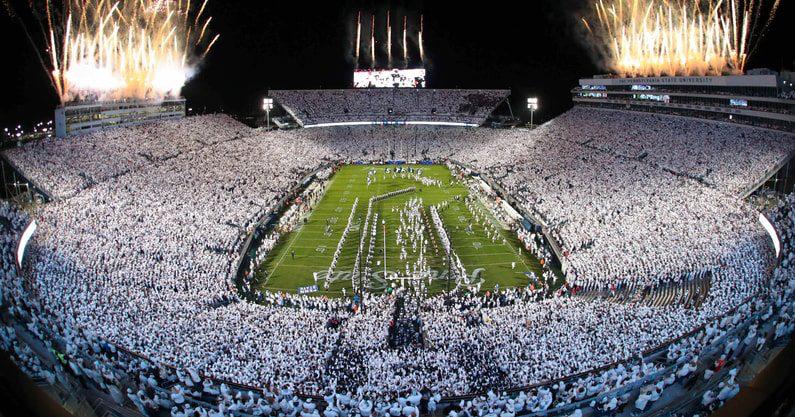
The Big Ten traces its origin to January 11, 1895, when Purdue president James H. Smart convened university leaders at Chicago's Palmer House to write rules governing intercollegiate athletics; the conference was formally established at a second meeting there on February 8, 1896. Six of the seven founding schools remain members today. Now in its third century of competition, it spans 18 member institutions across 14 states from New Jersey to the Pacific Coast, sponsoring 28 championship sports, with three schools playing football in stadiums that seat more than 100,000.
Its member institutions have won more than 600 NCAA team championships, led by historic dominance in swimming, wrestling, track and field, volleyball, and lacrosse. Iowa has won 24 national titles in wrestling, Penn State eight in women's volleyball, and Maryland and Northwestern a combined 23 in women's lacrosse.
The Olympic pipeline stands among the finest in world sport. Sixty Big Ten athletes competed at Milano Cortina 2026, representing eleven member institutions and eight nations, and returned with 37 medals including 24 gold. Eleven more served as coaches, officials, and administrators, among them the head coach of Czechia's women's hockey team.
Coupled with the Big Ten Academic Alliance, whose universities generate roughly 10 billion dollars in funded research annually, the conference remains what its founders intended: a league where academic and athletic ambition are held to the same standard.
Official Website
The Big Ten traces its origin to January 11, 1895, when Purdue president James H. Smart convened university leaders at Chicago's Palmer House to write rules governing intercollegiate athletics; the conference was formally established at a second meeting there on February 8, 1896. Six of the seven founding schools remain members today. Now in its third century of competition, it spans 18 member institutions across 14 states from New Jersey to the Pacific Coast, sponsoring 28 championship sports, with three schools playing football in stadiums that seat more than 100,000.
Its member institutions have won more than 600 NCAA team championships, led by historic dominance in swimming, wrestling, track and field, volleyball, and lacrosse. Iowa has won 24 national titles in wrestling, Penn State eight in women's volleyball, and Maryland and Northwestern a combined 23 in women's lacrosse.
The Olympic pipeline stands among the finest in world sport. Sixty Big Ten athletes competed at Milano Cortina 2026, representing eleven member institutions and eight nations, and returned with 37 medals including 24 gold. Eleven more served as coaches, officials, and administrators, among them the head coach of Czechia's women's hockey team.
Coupled with the Big Ten Academic Alliance, whose universities generate roughly 10 billion dollars in funded research annually, the conference remains what its founders intended: a league where academic and athletic ambition are held to the same standard.
Official Website
The Big Ten golf competition showcases the skill and talent of its member schools, with a format that emphasizes both individual and team performances throughout the season. Each academic year, teams compete in various tournaments, including dual matches and multi-day events, to accumulate points and establish their rankings in the conference. This competitive landscape not only highlights the prowess of individual golfers but also fosters a strong team dynamic that is essential for success in the type sport.
Typically, the Big Ten golf schedule consists of a mix of early-season tournaments, which serve as warm-ups, followed by the more crucial conference events. Regular season tournaments are strategically placed, allowing teams to gain momentum leading into the Big Ten Championships. These events are vital, as they directly influence team standings and individual qualifications for postseason play.
Member schools engage in a series of tournaments leading up to the Big Ten Golf Championships, with each event contributing to the overall standings. Teams earn points based on their finishing positions in each tournament, with the cumulative scores determining their rank within the conference. This points system encourages consistent performance throughout the season, making each tournament critical for teams aiming for the top.
The conference championship is a defining moment in Big Ten golf, as it not only determines the conference champion but also impacts individual qualifications for national tournaments. The top finishers in the championship often secure spots in prestigious postseason events, elevating the visibility of Big Ten golf on a national level. In this way, the conference not only nurtures talent through its competitive framework but also plays a significant role in advancing golfers' careers beyond college.