

Where fans fuel champions.
Simple. Secure. Direct.
Loading...
Where fans fuel champions.
Simple. Secure. Direct.
20 Schools•Division I•Est. 1896


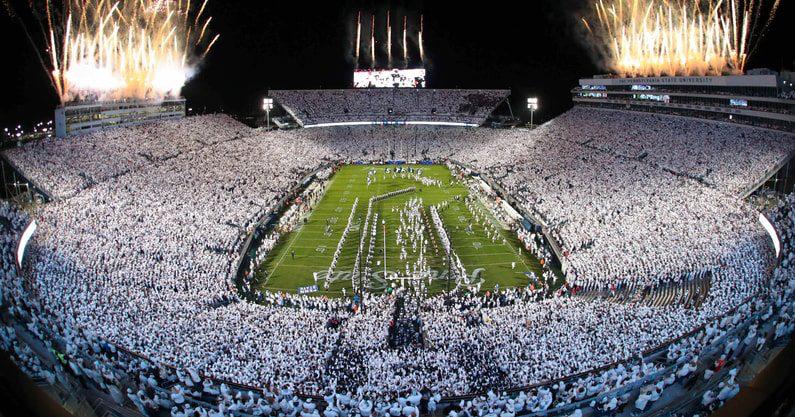
The Big Ten traces its origin to January 11, 1895, when Purdue president James H. Smart convened university leaders at Chicago's Palmer House to write rules governing intercollegiate athletics; the conference was formally established at a second meeting there on February 8, 1896. Six of the seven founding schools remain members today. Now in its third century of competition, it spans 18 member institutions across 14 states from New Jersey to the Pacific Coast, sponsoring 28 championship sports, with three schools playing football in stadiums that seat more than 100,000.
Its member institutions have won more than 600 NCAA team championships, led by historic dominance in swimming, wrestling, track and field, volleyball, and lacrosse. Iowa has won 24 national titles in wrestling, Penn State eight in women's volleyball, and Maryland and Northwestern a combined 23 in women's lacrosse.
The Olympic pipeline stands among the finest in world sport. Sixty Big Ten athletes competed at Milano Cortina 2026, representing eleven member institutions and eight nations, and returned with 37 medals including 24 gold. Eleven more served as coaches, officials, and administrators, among them the head coach of Czechia's women's hockey team.
Coupled with the Big Ten Academic Alliance, whose universities generate roughly 10 billion dollars in funded research annually, the conference remains what its founders intended: a league where academic and athletic ambition are held to the same standard.
Official Website
The Big Ten traces its origin to January 11, 1895, when Purdue president James H. Smart convened university leaders at Chicago's Palmer House to write rules governing intercollegiate athletics; the conference was formally established at a second meeting there on February 8, 1896. Six of the seven founding schools remain members today. Now in its third century of competition, it spans 18 member institutions across 14 states from New Jersey to the Pacific Coast, sponsoring 28 championship sports, with three schools playing football in stadiums that seat more than 100,000.
Its member institutions have won more than 600 NCAA team championships, led by historic dominance in swimming, wrestling, track and field, volleyball, and lacrosse. Iowa has won 24 national titles in wrestling, Penn State eight in women's volleyball, and Maryland and Northwestern a combined 23 in women's lacrosse.
The Olympic pipeline stands among the finest in world sport. Sixty Big Ten athletes competed at Milano Cortina 2026, representing eleven member institutions and eight nations, and returned with 37 medals including 24 gold. Eleven more served as coaches, officials, and administrators, among them the head coach of Czechia's women's hockey team.
Coupled with the Big Ten Academic Alliance, whose universities generate roughly 10 billion dollars in funded research annually, the conference remains what its founders intended: a league where academic and athletic ambition are held to the same standard.
Official Website
The Big Ten tennis competition features a dynamic environment where member schools engage in both individual and team-based events throughout the spring season. Each year, the conference showcases its tennis prowess through a comprehensive schedule that pits its premier programs against one another in a quest for supremacy on the courts. This structure not only elevates the level of play but also fosters intense rivalries among the member institutions.
The structure of the Big Ten tennis season is designed to maximize competition and prepare athletes for postseason challenges. Each team typically plays a series of dual matches against other conference schools, with the schedule crafted to ensure that every school has the opportunity to face a diverse array of opponents. The regular season culminates in a conference championship, where teams vie for the title while individual players also compete for recognition and ranking.
During the regular season, Big Ten tennis teams engage in head-to-head matchups that are critical for determining standings within the conference. Each dual match consists of six singles and three doubles contests, with teams earning points based on the outcomes of these matches. The competitive format emphasizes both individual excellence and team strategy, as victories in singles and doubles contribute to the overall team score.
The standings in Big Ten tennis are closely monitored, with each match affecting the teams’ positions as they advance through the season. This competitive landscape not only keeps fans engaged but also motivates players to perform at their best in every encounter. As the season unfolds, teams strategize to secure a top position, which is essential for favorable seeding in the conference championship.
The Big Ten tennis championship is the pinnacle of the season, featuring the top teams competing for the conference title. The format typically includes a knockout-style tournament, where teams battle through multiple rounds to claim victory. Success in this championship not only brings bragging rights but also enhances a team's profile heading into the NCAA tournament, where further competition awaits.
Through its structured competition format, the Big Ten tennis schedule fosters an environment that challenges athletes and showcases their skills. As teams prepare for both the regular season and the championship, the focus remains on excellence, teamwork, and the pursuit of victory, making this type sport a vital part of the Big Ten athletic tradition.