

Where fans fuel champions.
Simple. Secure. Direct.
Loading...
Where fans fuel champions.
Simple. Secure. Direct.
16 Schools•Division I•Est. 1932


The SEC was founded on December 8, 1932, when thirteen Southern Conference schools met at the Farragut Hotel in Knoxville and wrote their own charter. Ten of those founders remain members today. Nearly a century later the league spans sixteen universities across twelve states and sponsors 22 sports.
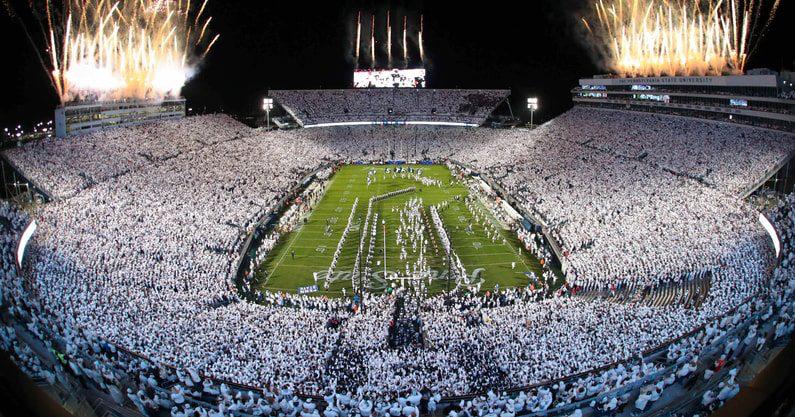
Football built the reputation. The SEC staged the first conference championship game in Division I history in 1992 and has claimed national titles at a rate no other league approaches. Alabama alone accounts for more than a dozen. Five member schools play in stadiums that seat over 100,000.
Baseball may run deepest. Georgia opened the modern era with a College World Series title in 1990, and LSU, South Carolina, Vanderbilt, Florida, Mississippi State, Ole Miss, Tennessee and Oklahoma have all followed. Arkansas and LSU built dynasties in track and field, Georgia and Oklahoma in gymnastics, Auburn and Texas in swimming. The trophy case holds more than 210 NCAA team championships.
The Olympic pipeline ranks among the finest in world sport. Athletes with SEC ties have won hundreds of medals across a century of Games, in swimming, track, gymnastics, basketball and soccer, and recent Olympiads have featured every member school, a distinction almost no conference can claim.
Rivalries give the calendar its shape, with each school assigned three permanent annual opponents. Alabama and Auburn meet in the Iron Bowl. Texas and Oklahoma play the Red River Rivalry for the Golden Hat. Georgia and Florida contest the Okefenokee Oar in Jacksonville, Georgia and Auburn stage the Deep South's Oldest Rivalry, Ole Miss and Mississippi State play for the Golden Egg, and Alabama and Tennessee own the Third Saturday in October.
Official Website
The SEC was founded on December 8, 1932, when thirteen Southern Conference schools met at the Farragut Hotel in Knoxville and wrote their own charter. Ten of those founders remain members today. Nearly a century later the league spans sixteen universities across twelve states and sponsors 22 sports.
Football built the reputation. The SEC staged the first conference championship game in Division I history in 1992 and has claimed national titles at a rate no other league approaches. Alabama alone accounts for more than a dozen. Five member schools play in stadiums that seat over 100,000.
Baseball may run deepest. Georgia opened the modern era with a College World Series title in 1990, and LSU, South Carolina, Vanderbilt, Florida, Mississippi State, Ole Miss, Tennessee and Oklahoma have all followed. Arkansas and LSU built dynasties in track and field, Georgia and Oklahoma in gymnastics, Auburn and Texas in swimming. The trophy case holds more than 210 NCAA team championships.
The Olympic pipeline ranks among the finest in world sport. Athletes with SEC ties have won hundreds of medals across a century of Games, in swimming, track, gymnastics, basketball and soccer, and recent Olympiads have featured every member school, a distinction almost no conference can claim.
Rivalries give the calendar its shape, with each school assigned three permanent annual opponents. Alabama and Auburn meet in the Iron Bowl. Texas and Oklahoma play the Red River Rivalry for the Golden Hat. Georgia and Florida contest the Okefenokee Oar in Jacksonville, Georgia and Auburn stage the Deep South's Oldest Rivalry, Ole Miss and Mississippi State play for the Golden Egg, and Alabama and Tennessee own the Third Saturday in October.
Official Website
The SEC basketball competition is a highly anticipated event each year, bringing together some of the most competitive programs in college athletics. Each season, member schools vie for supremacy on the court, showcasing their talent and determination through a rigorous schedule of games. The intensity of SEC basketball is palpable as teams compete not just for victories, but for a chance to make their mark in the postseason.
Regular season play in SEC basketball typically consists of a round-robin format, where each team faces off against every other member school. This structure ensures that all teams have the opportunity to compete directly against one another, which is crucial for determining standings and postseason qualifications. The conference schedule is strategically designed to build excitement as teams battle through the season, culminating in intense rivalries that captivate fans and players alike.
As the season progresses, standings in SEC basketball are determined by win-loss records, with each game contributing to a team's overall performance. The competition format allows teams to accumulate points, with the top-ranked teams earning favorable positions for the SEC Tournament. This tournament serves as the pinnacle of the season, where the best programs face off in a single-elimination format to claim the conference championship and secure their place in the NCAA Tournament.
Throughout the season, SEC basketball creates an electric atmosphere, as schools rally their fan bases and athletes push their limits. Each game is critical, not only for pride but also for positioning in the tournament. As teams look ahead to the postseason, the importance of each matchup only intensifies, adding a layer of excitement to the already competitive nature of SEC basketball.
This strong competition structure, combined with passionate fan engagement, makes SEC basketball a defining aspect of the college type sports landscape. The pathway to the championship is clear for those who excel during the regular season, setting the stage for thrilling moments and unforgettable plays as teams strive for glory.