

Where fans fuel champions.
Simple. Secure. Direct.
Loading...
Where fans fuel champions.
Simple. Secure. Direct.
16 Schools•Division I•Est. 1932


The SEC was founded on December 8, 1932, when thirteen Southern Conference schools met at the Farragut Hotel in Knoxville and wrote their own charter. Ten of those founders remain members today. Nearly a century later the league spans sixteen universities across twelve states and sponsors 22 sports.
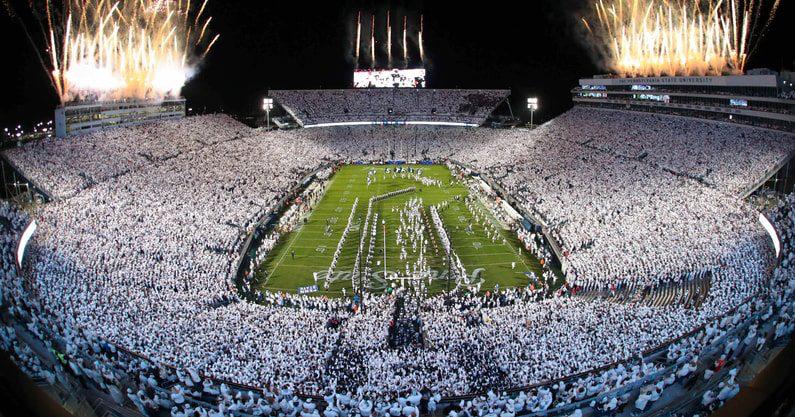
Football built the reputation. The SEC staged the first conference championship game in Division I history in 1992 and has claimed national titles at a rate no other league approaches. Alabama alone accounts for more than a dozen. Five member schools play in stadiums that seat over 100,000.
Baseball may run deepest. Georgia opened the modern era with a College World Series title in 1990, and LSU, South Carolina, Vanderbilt, Florida, Mississippi State, Ole Miss, Tennessee and Oklahoma have all followed. Arkansas and LSU built dynasties in track and field, Georgia and Oklahoma in gymnastics, Auburn and Texas in swimming. The trophy case holds more than 210 NCAA team championships.
The Olympic pipeline ranks among the finest in world sport. Athletes with SEC ties have won hundreds of medals across a century of Games, in swimming, track, gymnastics, basketball and soccer, and recent Olympiads have featured every member school, a distinction almost no conference can claim.
Rivalries give the calendar its shape, with each school assigned three permanent annual opponents. Alabama and Auburn meet in the Iron Bowl. Texas and Oklahoma play the Red River Rivalry for the Golden Hat. Georgia and Florida contest the Okefenokee Oar in Jacksonville, Georgia and Auburn stage the Deep South's Oldest Rivalry, Ole Miss and Mississippi State play for the Golden Egg, and Alabama and Tennessee own the Third Saturday in October.
Official Website
The SEC was founded on December 8, 1932, when thirteen Southern Conference schools met at the Farragut Hotel in Knoxville and wrote their own charter. Ten of those founders remain members today. Nearly a century later the league spans sixteen universities across twelve states and sponsors 22 sports.
Football built the reputation. The SEC staged the first conference championship game in Division I history in 1992 and has claimed national titles at a rate no other league approaches. Alabama alone accounts for more than a dozen. Five member schools play in stadiums that seat over 100,000.
Baseball may run deepest. Georgia opened the modern era with a College World Series title in 1990, and LSU, South Carolina, Vanderbilt, Florida, Mississippi State, Ole Miss, Tennessee and Oklahoma have all followed. Arkansas and LSU built dynasties in track and field, Georgia and Oklahoma in gymnastics, Auburn and Texas in swimming. The trophy case holds more than 210 NCAA team championships.
The Olympic pipeline ranks among the finest in world sport. Athletes with SEC ties have won hundreds of medals across a century of Games, in swimming, track, gymnastics, basketball and soccer, and recent Olympiads have featured every member school, a distinction almost no conference can claim.
Rivalries give the calendar its shape, with each school assigned three permanent annual opponents. Alabama and Auburn meet in the Iron Bowl. Texas and Oklahoma play the Red River Rivalry for the Golden Hat. Georgia and Florida contest the Okefenokee Oar in Jacksonville, Georgia and Auburn stage the Deep South's Oldest Rivalry, Ole Miss and Mississippi State play for the Golden Egg, and Alabama and Tennessee own the Third Saturday in October.
Official Website
The SEC volleyball competition showcases a vibrant and highly competitive environment where member schools strive for excellence on the court. Each season, the conference organizes a rigorous schedule that pits the best teams against one another, ensuring thrilling matchups and intense rivalries. With a focus on both athletic skill and strategic gameplay, SEC volleyball captures the attention of fans and players alike.
The regular season in SEC volleyball typically consists of a series of matches held throughout the fall. Teams face off in a round-robin format, allowing each member school to compete against a diverse array of opponents. This structure not only fosters healthy competition but also builds excitement as teams vie for favorable standings leading into the postseason. As the season progresses, the emphasis on teamwork and individual performance becomes increasingly critical, influencing the overall dynamics of the conference.
In SEC volleyball, the competition format emphasizes both skill and teamwork, with teams earning points through match victories. Each match is a best-of-five sets contest, where teams must not only win a majority of sets but also secure a specific number of points to triumph. This scoring system keeps fans engaged and teams focused, as every point counts toward their overall standing in the conference.
As the regular season unfolds, the standings in SEC volleyball reflect each team's performance, determining their placement for the SEC Championship. The top teams qualify for this prestigious tournament, where they compete for the conference title. The championship structure is designed to elevate the stakes, with knockout rounds leading to the finals where the champion is crowned. This format ensures that only the most deserving teams are recognized for their hard work and dedication throughout the season.
As the season progresses, the excitement of SEC volleyball builds toward the championship, where teams not only seek the title but also aim for a spot in the NCAA tournament. This pathway underscores the importance of every match and the relentless pursuit of excellence that defines SEC volleyball. The combination of a challenging regular season and a high-stakes championship creates an exhilarating atmosphere for players and fans alike.